

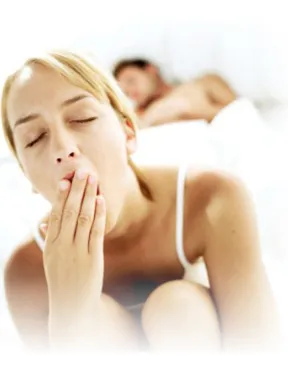
 Sleep apnea is a sleep disorder characterized by abnormal pauses in breathing or instances of abnormally low breathing during sleep. This results in a lower amount of oxygen available to your tissues and brain. Each pause in breathing, called an apnea, can last from a few seconds to minutes, and may occur 5 to 30 times or more an hour. Similarly, each abnormally low breathing event is called a hypopnea. The diagnosis of sleep apnea is based on the combined evaluation of clinical symptoms and of the results of a formal sleep study (polysomnography) or reduced channels home based test.
There are three forms of sleep apnea: central sleep apnea (CSA) 4%, obstructive sleep apnea (OSA) 84%, and complex or mixed sleep apnea 15% (i.e., a combination of central and obstructive). In CSA, breathing is interrupted by a lack of respiratory effort; in OSA, the most common form, breathing is interrupted by a physical block to airflow despite respiratory effort, and snoring is common.
Regardless of type, an individual with sleep apnea is rarely aware of having difficulty breathing, even upon awakening. Sleep apnea is recognized as a problem by others witnessing the individual during episodes or is suspected because of its effects on the body. Symptoms may be present for many without identification, during which time the sufferer may become conditioned to the daytime sleepiness and fatigue associated with significant levels of sleep disturbance.
Signs and symptoms of Sleep Apnea:
- EDS (Excessive Daytime Sleepiness)
- Impaired alertness
- Daytime fatigue
- Slower reaction time
- Disturbances in vision
- Moodiness
- Belligerence
- Decrease in attentiveness and drive
- GERD (Gastro-Esophageal Reflux Disease)
- Nocturnal reflux/heartburn
- Development of depression
- Difficulty with memory and learning
- Difficulty in paying attention, working effectively and processing information when in a waking state
- Finally, because there are many factors that could lead to some of the effects previously listed, some patients are not aware that they suffer from sleep apnea and are either misdiagnosed, or just ignore the symptoms altogether
The term “sleep-disordered breathing” is commonly used in the U.S. to describe the full range of breathing problems during sleep in which not enough air reaches the lungs (hypopnea and apnea). Sleep-disordered breathing is associated with an increased risk of cardiovascular disease, stroke, high blood pressure, arrhythmias, diabetes, and sleep deprived driving or work accidents. Additionally, people with OSA show tissue loss in brain regions that help store memory, thus linking OSA with memory loss.
For more detailed answers to everything you want to know about snoring and sleep apnea, please visit our website devoted entirely to sleep related disturbances at www.ChicagoSleepApneaSnoring.com
If you suspect that you or a loved one might have a sleep disorder, you should seek qualified professional care as soon as possible. Those individuals living in the Chicago area can contact Dr. Steven Koos D.D.S., M.D. to begin the steps to a critically needed and thorough diagnostic evaluation. Ora Surgery practices eco-friendly dentistry®, using green solutions everyday to meet the needs of our patients.
Dr. Koos was caring and professional.
Great experience from start to finish. Dr. Koos was caring and professional, making an otherwise uncomfortable experience as pleasant at possible.

Pleasantly surprised by post-surgery follow up
It was a pleasure to have straight forward information provided and constant follow up after my surgery. I was pleasantly surprised to receive a call from Dr. Steven Koos late at night to make sure I was having a healthy recovery. And the cherry on top of the ice cream was how updated the office was. State of the art equipment that I had no doubt I was in good hands.

Great place and great staff.
Great place and great staff. I was well informed about the entire procedure and the follow up process. I also felt very at ease knowing the doctor called me later in the day and him providing me his number in case anything happens.

Dr. Koos is the best!
I love it here! Everyone is so kind and attentive! Dr. Koos is the best!

They took great care of me.
I had an amazing experience. I went in scared and in pain and honestly they took great care of me. I would definitely be going back for any dental need. They are friendly and make you feel at ease.
Earns my trust for comfort and care
I had two implants, a sinus lift and one other procedure within the last year or so. I can’t speak highly enough of Dr. Koos and his staff. I was well informed about my needs and next steps. And more importantly, all went well with very little discomfort. I’m usually a little skiddish when it comes to dental surgery and any associated pain. ORA Oral Surgery & Implant Studio earns my trust for comfort and care.

